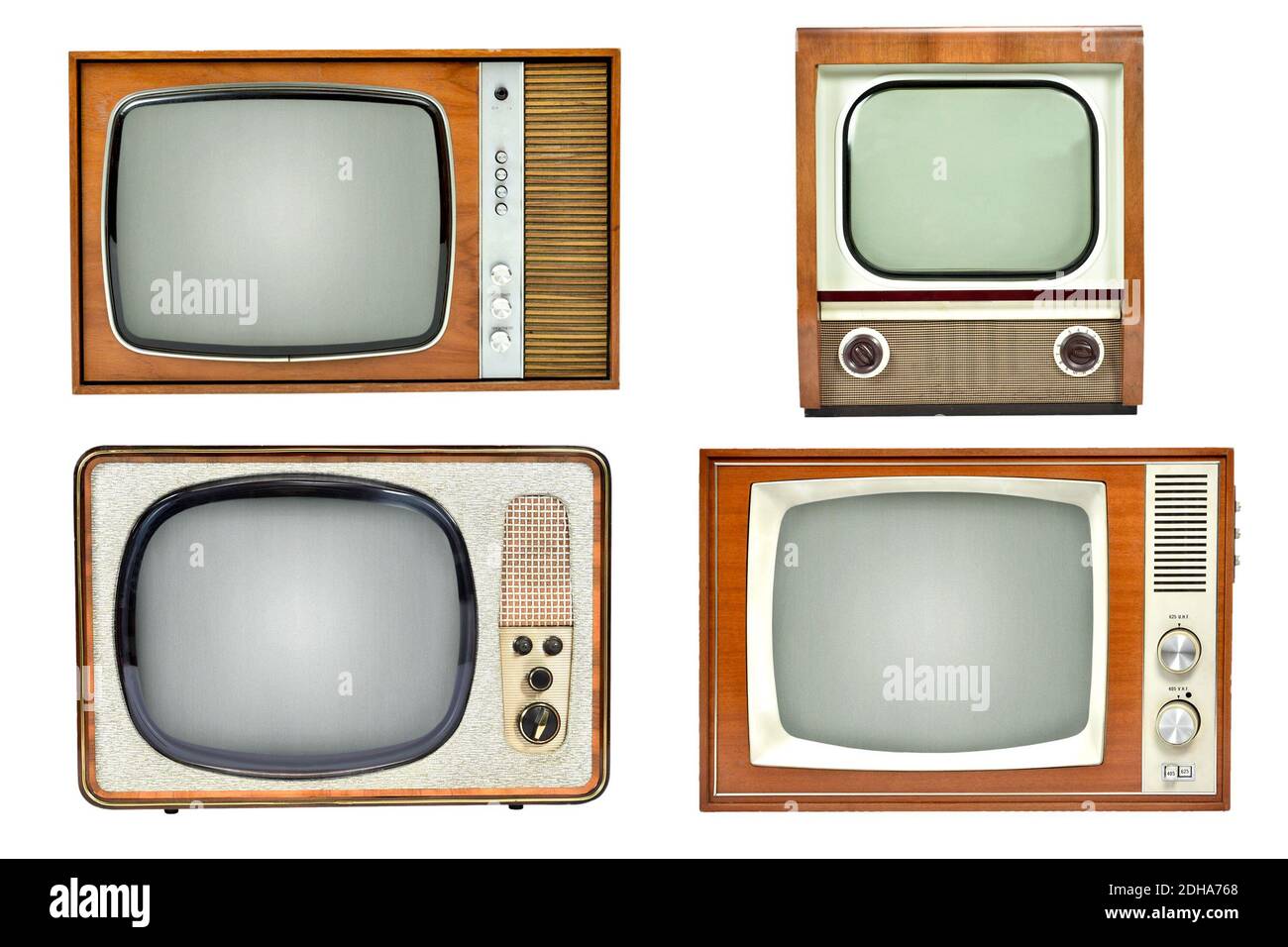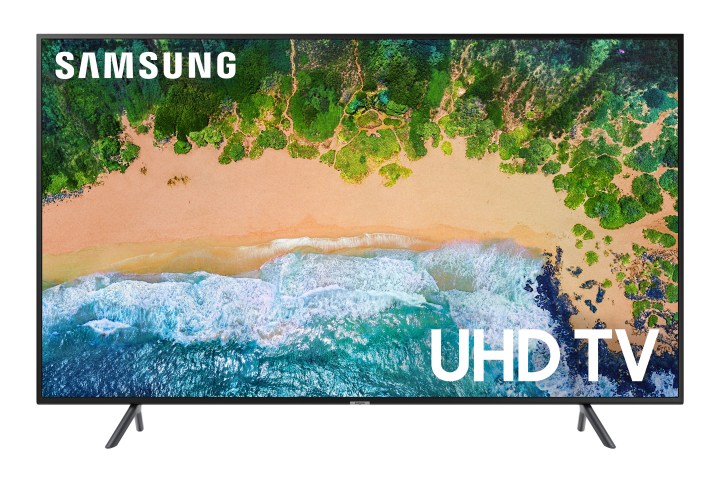
Over several decades, the transition from analog to digital television slowly gained momentum, driven by advancements in broadcasting technology, the need for more efficient spectrum use, and the growing demand for higher-quality video and audio. By 2009, the television market experienced a major shift as digital broadcasting took over, completely transforming how people watched, perceived, and experienced television. This change wasn’t just about upgrading technology; it was about enhancing the entire TV experience, offering clearer picture and sound, better efficiency, and additional features that analog simply couldn’t provide.
Some may wonder why this transition was necessary in the first place. The answer lies in the many advantages digital TV brought to the table. It provided significantly better picture and sound quality, eliminating the static and interference issues that were common with analog signals. It also made far better use of the available spectrum, allowing multiple channels to be broadcast within the same bandwidth that previously supported just one analog channel. More than that, digital TV introduced features such as electronic program guides, multiple language options, and closed captions—things that were not possible with analog television. This transition didn’t just happen in one place; it was a worldwide shift. Different regions adopted their own digital broadcasting standards to suit their needs. In North America and South Korea, the ATSC system was implemented. Europe, Africa, Australia, and parts of Asia adopted DVB-T. Japan and parts of South America used ISDB-T, while China developed its own system known as DTMB.
Governments played a crucial role in making this transition happen smoothly. Many launched public awareness campaigns to educate people on why the transition was happening, the timeline for the change, and the benefits of switching to digital. Households with older analog TVs had to make a choice—either purchase a digital-to-analog converter box to continue receiving broadcasts or upgrade to a new digital TV with a built-in tuner. While this was a relatively quick process in major countries like the U.S., the U.K., and Japan, other regions experienced a slower transition due to infrastructure challenges and economic factors.
Of course, this shift didn’t come without its challenges. The biggest downside for consumers was the cost. Many households had to invest in new equipment, which was an unexpected expense for some. Coverage issues also posed a problem, particularly in rural and remote areas where digital signals weren’t as strong, leading to delays in the full transition. Additionally, while the digital shift spurred growth in the electronics industry, it also required significant investment in new broadcasting infrastructure, which wasn’t an easy feat for all broadcasters.
Despite these challenges, the transition to digital television laid the foundation for even bigger innovations in the industry. It opened the door to ultra-high-definition broadcasting with 4K and 8K resolutions, enhanced next-generation standards like ATSC 3.0 and DVB-T2, and the rise of internet-based streaming services, which have now become a dominant force in home entertainment. The shift from analog to digital wasn’t just an upgrade—it completely redefined television, making it more immersive, interactive, and accessible than ever before. With streaming services and hybrid broadcasting solutions continuing to evolve, the way we consume television is still changing, proving that the digital revolution was just the beginning of what’s possible.
With the rise of streaming services, do you think traditional digital TV broadcasting will continue to evolve, or will it eventually be replaced by internet-based platforms?
Credits:
Chatgpt – checked for spelling and grammar issues as well as rewrote my thoughts to create a more polished finished product, also created the title
Wikipedia – received most information through reading the wikipedia page