The construction industry is undergoing a major transformation—and Artificial Intelligence (AI) is right at the center of it.
Long dependent on manual labor and traditional project management, construction is now embracing digital innovation to tackle persistent challenges: rising costs, labor shortages, tight timelines, and growing sustainability demands. In response, AI is helping the industry build faster, smarter, and safer.
AI tools are now being integrated across nearly every phase of a construction project, offering powerful advantages in planning, execution, and monitoring.
AI-driven platforms generate thousands of layout options, optimizing for cost, energy efficiency, materials, and spatial flow. Tools like generative design help architects and engineers make informed decisions faster, reducing waste and redesign.
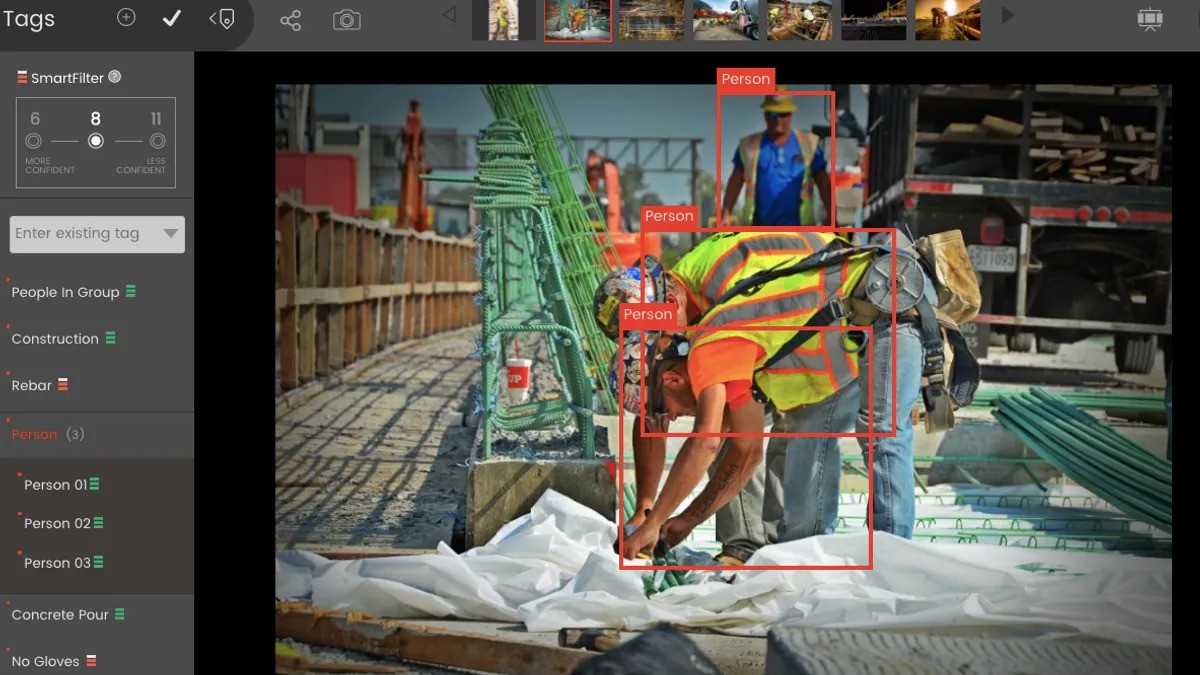
AI-powered cameras, drones, and computer vision detect safety hazards in real time—alerting site managers before incidents occur.
Real-Life Example:
Suffolk Construction, a major U.S. contractor, uses Smartvid.io’s AI to analyze images from job site cameras. The system flags workers without hard hats or too close to equipment. The result? A 20% reduction in safety incidents.
IoT sensors combined with AI help detect potential equipment issues before failure, allowing for timely and proactive maintenance. This minimizes downtime and extends machine lifespan.
Real-Life Example:
Caterpillar outfits its machinery with smart sensors that feed real-time performance data into AI systems. These insights help predict when maintenance is needed. One Texas-based construction firm saved over $400,000 annually using predictive maintenance.
AI can analyze vast amounts of historical and real-time project data to improve timelines, flag potential delays, and optimize labor and resource allocation. It also simulates scenarios like supply chain issues or weather delays to help project managers plan ahead.
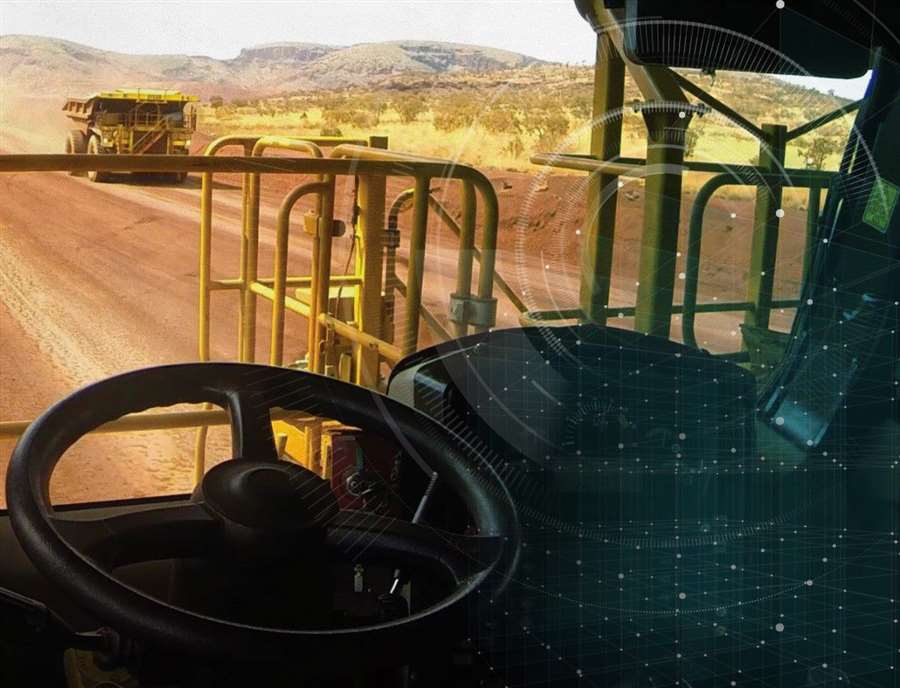
Robots, self-driving bulldozers, and other AI-guided machines are taking over repetitive or hazardous tasks, improving site efficiency while reducing human exposure to risk.
AI tools can quickly scan blueprints, market data, and historical costs to deliver more accurate budgets. These tools also assess financial, environmental, and logistical risks, allowing for better decision-making and fewer surprises mid-project.
AI isn’t just a buzzword—it’s becoming a critical solution to construction’s biggest pain points. From cutting delays and reducing accidents to improving cost forecasting, companies that integrate AI are gaining a competitive edge in efficiency, safety, and profitability.
Like any major innovation, AI comes with challenges. Data privacy, upfront investment, and the need for AI-literate staff are ongoing concerns. However, as tools become more user-friendly and the return on investment becomes clearer, adoption is accelerating rapidly.
The construction sites of tomorrow are already here. They’re connected, intelligent, and more productive than ever before. AI isn’t just reshaping the construction industry—it’s building its future.
Credit: Chatgpt – rewrote